Автор
Автор

Beatport rewards specific buyer demand, not vague artist popularity.That makes it confusing for new producers who treat every platform the same; some teams test focused services such as Beatport Promotion with Promosound, when they want to support release visibility around chart-sensitive windows, but the real work still starts with genre fit, metadata, timing and DJ demand.
Beatport is a music store and DJ ecosystem built around electronic music, so its signals come from purchases, downloads, playlists, genre browsing, charts, label pages and artist profiles rather than passive background listening.
What is Beatport?
Beatport is a digital music platform where DJs, producers, labels and electronic music fans buy tracks, follow genres, check charts and prepare sets. Its core unit is the release: a single, EP, album or remix package connected to an artist, label, genre, artwork, audio file and release date.
The important difference is commercial intent. A listener on a streaming app might skip through a track once and never return. A DJ buying on Beatport usually wants a playable file, a clean extended mix, a usable genre tag and enough confidence to put that track near other records in a set.
Beatport also operates around scenes. Tech house, melodic house and techno, drum and bass, trance, Afro house and harder styles behave differently because the buyers, labels and release rhythms are different. A track can be strong and still underperform if it sits in the wrong genre lane.
Who uses Beatport?
DJs use Beatport to find music for sets. Producers use it to place finished tracks in front of buyers who care about dancefloor function. Artists use it as a public proof point for genre position, label activity and catalog growth. Labels use it to sell releases, organize rosters and build chartable moments.
Distributors sit between most independent artists and the store. They deliver audio, metadata, label information, rights details and release dates. Beatport then displays the release under the supplied artist and label entities, assuming the delivery passes technical and editorial requirements.
That entity graph matters. Artist connects to release. Release connects to label. Label connects to genre. Distributor delivers the package. DJs create demand through buying, charting and playing. Charts surface purchase behavior, while promotion tries to direct qualified attention toward the right product at the right time.
Beatport for DJs
For DJs, Beatport is closer to a working library than a fan app. They search by genre, key, BPM, release date, label, chart position and related artists because set building has constraints that casual listening does not have.
A DJ may need a 126 BPM extended mix in A minor, released this month, with a clean intro and outro. That is why producers should care about arrangement as much as the drop. Short radio edits may help elsewhere, but Beatport buyers often want club-ready structure.
Charts also influence DJ behavior. A charted track can catch attention because it appears inside a browsing path that already has purchase intent. Nobody should pretend there is a public formula for chart placement, but purchases within a category clearly matter because charts exist to rank store activity.
Beatport for music producers
For producers, Beatport works best after the track already understands its market. A polished progressive house record should not be forced into a broader electronic tag because the producer wants a bigger audience. Bad categorization puts the release in front of the wrong buyers.
Metadata is boring until it costs money. Artist name consistency, remix credits, label spelling, ISRCs, explicit tags, version names and genre choices decide where the release appears. If one distributor delivery says "Artist X" and another says "Artist X Official", the profile can fragment and weaken discovery.
I keep seeing producers spend weeks on cover art and two minutes on version naming. "Original Mix", "Extended Mix", "Dub Mix" and remix credits tell DJs what they are buying before previewing the full arrangement.
Beatport for artists
For artists, Beatport is useful when the project sits inside electronic music culture and has a release plan. It is less useful as a vanity destination for music that has no DJ use, no label context and no genre-specific audience.
The artist page becomes a catalog record. It can show releases, remixes, labels and chart activity over time. That record helps agents, curators, collaborators and buyers understand where the project fits.
The catch is that Beatport rarely fixes weak positioning. If an artist has no clear sound, no credible label route and no pre-release demand from DJs or fans, the store page will simply expose that gap. Promo Sound Group appears in some campaign stacks at this stage as a support layer, but it cannot replace the release fundamentals.
Beatport for record labels
Labels use Beatport as a catalog storefront and a campaign surface. A strong label page helps buyers follow a sound, not just a single name. That is why label identity matters: artwork style, genre discipline, release cadence and roster fit all affect buyer trust.
A label also has more coordination work than an individual artist. It must line up masters, contracts, credits, distributor deadlines, promo pools, DJ feedback, pre-orders if available and post-release chart pushes. Beatport's 2022 acquisition of a demo discovery platform showed how closely the company watches label and artist submission workflows demo discovery acquisition.
Small labels should avoid dumping every accepted demo into the store. A weaker release can dilute the catalog if it confuses buyers who followed the imprint for a specific sound.
How artists get music on Beatport
Most independent artists do not upload directly to Beatport like they would post a video to a social platform. They usually need an approved distributor or a label with distribution access.
- Finish the master and create clean extended or club versions when the genre expects them.
- Choose a distributor that supports Beatport delivery and electronic genre metadata.
- Prepare artist name, label name, artwork, ISRC, release date, version titles and rights details before delivery.
- Submit early enough for quality checks, corrections and campaign planning.
- Confirm that the release appears under the correct artist profile before promoting it heavily.
A rushed delivery often creates avoidable cleanup. Wrong profile mapping, missing remix credits and vague genre selection can damage the first week because early buyers may not find the track where they expect it.
Beatport artist profiles
A Beatport artist profile is the public entity that connects tracks, releases, remixes and chart moments. It is also where messy metadata becomes visible. Two profiles for the same artist can split catalog history and make a project look smaller than it is.
Artists should check profile accuracy after every delivery. If a new release lands on the wrong page, ask the distributor to request a correction. Do this before pitching heavily, because every mention, chart share and buyer click should point toward the right entity.
Profile consistency also affects human perception. A DJ scanning a page wants to see genre coherence, label context and enough output to understand the artist's lane. A page full of unrelated styles may be creatively honest, but it is harder to buy from quickly.
Beatport Charts and Top 100
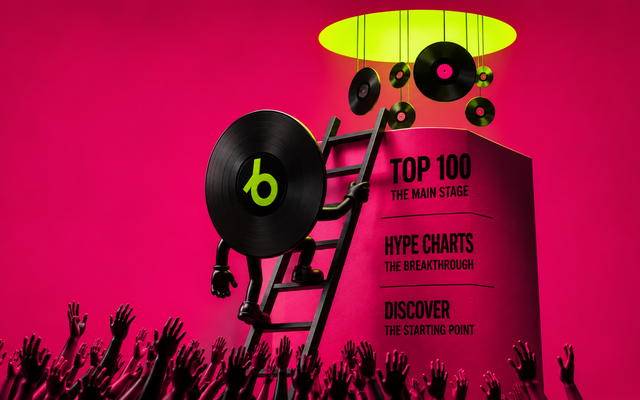
Beatport Charts include genre charts, release charts, artist charts and the well-known Top 100 views inside specific categories. These lists reflect store activity and browsing behavior, but Beatport does not publish a simple ranking algorithm that outsiders can safely reverse engineer.
That means artists should focus on controllable inputs. Send buyers to the correct release page, time DJ support close to release week, avoid scattering attention across too many links and make sure the track is actually useful for the genre audience.
As of 2026, any claim that a fixed number of sales guarantees a Top 100 placement should be treated as unreliable unless Beatport publishes that rule. Genre size, timing, competing releases and buyer concentration can all change the visible outcome.
What is Beatport Hype?
Beatport Hype is a program designed to give smaller labels a more realistic discovery lane inside selected electronic genres. The basic idea is segmentation: emerging labels should not always compete directly against the largest catalogs for every browsing position.
For independent artists, Hype matters most if their label qualifies and uses it properly. A good Hype campaign still needs a strong track, accurate genre choice, buyer targeting and release timing. The label cannot treat the badge as a replacement for demand.
Hype also makes label selection more important. Signing to a tiny label with no buyer base may feel accessible, but a focused imprint with an active niche can produce better Beatport conditions than a larger name that does not understand your sound.
Beatport vs Spotify
Beatport and Spotify serve different release jobs
|
Factor |
Beatport |
Spotify |
|---|---|---|
|
Primary behavior |
Buying and downloading music for DJ use |
Streaming tracks for listening and discovery |
|
Best fit |
Electronic releases with genre and club context |
Broad audience growth and repeat listening |
|
Key entity |
Release tied to artist, label and genre |
Track tied to artist profile and listener data |
|
Main signal to watch |
Purchases, charts, label pages and DJ support |
Streams, saves, playlist adds and listener retention |
The difference between Beatport and Spotify is intent. Beatport is built around music that people buy and use, especially DJs. Spotify is built around listening volume, recommendation paths and personal libraries.
An electronic artist can need both, but the campaign logic changes. Confusing those two goals leads to weak planning.
Is Beatport worth it?
Beatport is worth it for independent artists when the music has a real electronic market, the release is delivered correctly and the campaign targets buyers rather than random listeners. It is less valuable when the artist only wants general exposure.
Beatport's own artist and label analytics focus on practical signals such as track performance, sales activity and territory-level demand, which are useful for deciding where promotion is working artist analytics signals. Use that information to plan the next release, not to celebrate one screenshot.
A small but specific buyer base can be more useful than a larger audience that never touches the store. For touring DJs and genre producers, twenty serious supporters can matter if they play, chart and recommend the record inside the right circles.
How artists get visibility
Visibility on Beatport usually starts before the release date. Send private promos to DJs who play your style, collect feedback, prepare short clips for social channels, make the purchase link easy to find and coordinate label posts so attention lands in the same week.
Do not send everyone to every platform at once if your Beatport goal is chart movement. A scattered launch can create nice-looking activity elsewhere while the store receives weak buyer concentration. Pick the main objective for the first few days and brief everyone involved.
- Check the artist profile before launch day.
- Use one clean purchase link in DJ-facing messages.
- Pitch the exact genre audience, not a broad electronic crowd.
- Ask supporting DJs for chart adds only when they genuinely play the record.
- Review territory and track data after the first week, then adjust the next campaign.
Beatport has also expanded around the wider dance music ecosystem, including event-related products, which signals interest beyond a simple download store dance event platform. For artists, the practical lesson is plain: catalog, DJ support, audience location and offline activity should not be planned as separate worlds.
Common questions
Is Beatport good for artists?
Yes, Beatport is good for artists who release electronic music with DJ use, clear genre fit and proper distribution. It is weaker for artists who need broad passive listening before they have a dance music buyer base.
Is Beatport only for DJs?
No, Beatport is used by DJs, producers, labels, artists and electronic music fans. DJs are central because their buying behavior shapes much of the platform's commercial value.
Can anyone release on Beatport?
Not directly in most cases. Artists usually need an approved distributor or a label that can deliver music to Beatport with correct metadata and rights information.
What is the difference between Beatport and Spotify?
Beatport is mainly a store and DJ discovery system for electronic music purchases. Spotify is a streaming platform focused on listening behavior, saves, playlists and recommendations.
Do artists make money from Beatport?
Yes, artists can earn from Beatport sales through their label or distributor, depending on their contract, royalty split and payout terms. The amount depends on buyer demand, catalog depth and how revenue is shared.
Treat Beatport as a specialist market, not a generic exposure machine. If the release, label, distributor, charts, Hype options and promotion plan all point at the same buyer, the platform becomes much easier to understand.

 Ninja Digger
 Fanatikovel