Escrito por

Selling on Beatport is less about uploading a file and more about passing through the right delivery, metadata, label, and timing checks; some artists also test Beatport Promotion after the basics are in place, but promotion cannot repair a bad release setup.
The awkward part is that Beatport feels simple from the buyer side and procedural from the artist side. A DJ finds a track, buys it, downloads a WAV or MP3, and moves on. Behind that moment sits a distributor, a label account or label identity, clean rights ownership, genre tagging, release dates, audio specs, artwork, royalty splits, and a profile claim process that often starts only after the first release exists.
What you need before releasing on Beatport
Start with ownership, not promotion. You need the right to commercially release the master recording, the composition, any samples, and any vocal performance. If a collaborator expects a split, agree it before delivery because distributors may ask for payee details, tax forms, or written confirmation later.
Beatport is built around electronic music buyers, especially DJs who care about accurate genre placement and usable audio. That means a rushed demo, an uncleared bootleg, or a track tagged as Melodic House because it sounds fashionable can create problems after approval. The platform's broader activity around dance music, including an artist network tied to Label Radar, shows how tightly its ecosystem is linked to electronic music workflows artist network launch.
Prepare four assets before you open a distributor account: final master files, square cover art, release metadata, and a realistic release date. Most independent artists should allow 3-4 weeks between delivery and release day. That buffer gives time for quality control, corrections, profile matching, pre-save style marketing elsewhere, and DJ outreach before the store page goes live.
Can independent artists sell music on Beatport?
Yes, independent artists can sell music on Beatport, but usually through a distributor or label-service route rather than a direct artist upload. Beatport works with supply-chain partners that deliver catalogs, metadata, cover art, pricing data, and royalty information into its retail system.
Think of independence as control over rights and decisions, not as skipping infrastructure. You can own the master, fund the release, choose the campaign, and collect royalties without signing to a traditional label. You still need a delivery partner that has access to Beatport's store network.
Do you need a record label?
You do not always need an outside record label, but Beatport releases often sit under a label name. That label can be your own imprint if your distributor supports that setup. A small label identity helps organize catalog numbers, artwork style, release history, and artist-brand separation.
Do you need a label to get on Beatport? No, you do not need to sign away your music to a traditional label. You may release through your own imprint if your distributor accepts it and can deliver to Beatport.
The catch is administrative. A label is not just a logo on artwork. It needs a consistent name, clean ownership records, catalog numbering, release scheduling, and a way to handle royalties. Beatportal's label setup discussion treats a label as an operational structure, not only a branding exercise label startup advice.
How to choose a Beatport distributor
Do not choose a distributor only because the signup page is quick. Confirm that Beatport delivery is included, then check whether the service supports your genre, label name, release type, territory settings, takedowns, royalty splits, and artist profile matching. A cheap plan that excludes Beatport is useless for this specific goal.
- Store delivery: Beatport must appear in the distributor's current store list before you pay.
- Label support: Check whether you can release under your own imprint or must use a default label name.
- Correction process: Metadata mistakes happen, so ask how updates, takedowns, and redeliveries are handled.
- Royalty timing: Look for clear payout schedules, thresholds, tax requirements, and sales reporting windows.
- Dance music fit: A distributor that understands extended mixes, remixes, edits, and genre taxonomy will save time.
Which distributors deliver music to Beatport? Selected music distributors and label-service companies do, but the current list changes by account type, territory, and plan. Verify Beatport delivery inside the distributor's own store settings or support documentation before committing a release.
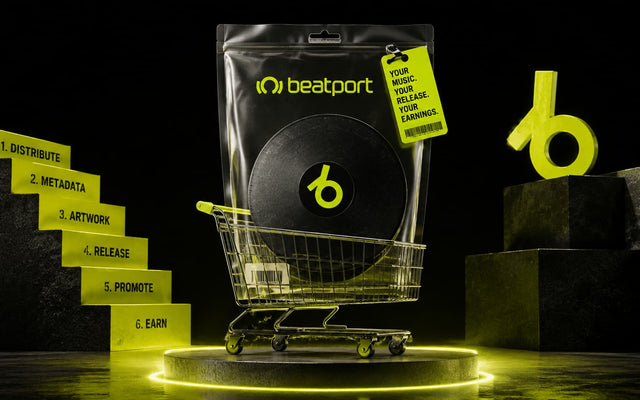
Step-by-step: how to get your music on Beatport
The working path is boring, and that is good. Boring means fewer broken release pages.
- Finish the master and export the required audio format, usually WAV at professional resolution.
- Clear all rights for samples, remix parts, vocals, collaborators, and artwork.
- Create or confirm the label name that will appear on the release.
- Open a distributor account that includes Beatport delivery.
- Enter the artist name exactly as you want it displayed.
- Add title, version, genre, release date, catalog number, ISRC details, and UPC details if required.
- Upload artwork that meets the distributor's size and content rules.
- Select Beatport as a store and submit the release for review.
- Check the preview page after approval and request corrections before release day if anything is wrong.
A quick warning: do not invent alternate spellings to look fresh. If your artist name is already used by someone else, solve the identity issue before the first Beatport delivery. Profile merges and wrong artist pages are much harder to fix once buyers, DJs, and playlists have interacted with the wrong entry.
How to prepare your track and metadata
Beatport buyers care about versions. If your club mix is seven minutes and your radio edit is three minutes, label them clearly. Use terms such as Original Mix, Extended Mix, Dub Mix, Remix, Edit, or Instrumental only when they describe the actual file.
Metadata should match the audio and artwork exactly. Artist names, featured artists, remixers, label name, capitalization, and track versions need consistent spelling across the distributor form, cover art, and public profiles. A small mismatch can split catalog entries or delay approval.
Genre is where many independent producers get cute and lose buyers. Pick the Beatport category that a working DJ would search, not the label that flatters the production. If the track sits between genres, choose the one that best matches the arrangement, drum programming, tempo, and club context.
How to set up / claim your Beatport artist profile
Usually, the artist profile becomes visible after music has been delivered and processed. Once the release appears, check whether it landed on the correct artist page. If it did not, contact your distributor first because they control the delivery metadata.
Claiming or correcting a profile may require proof that you are the artist, label owner, or authorized manager. Keep your distributor account email, social profiles, label records, and release identifiers ready. The identifiers matter because support teams can locate a release faster with ISRC, UPC, catalog number, artist name, and release title.
Do not wait until release day to inspect the page. A wrong photo, missing biography, or split catalog can weaken early trust with DJs who are checking whether the track belongs in a paid cart.
What happens after your release goes live
After release day, Beatport displays the track for purchase and may place it inside the genre, label, artist, and search contexts tied to your metadata. Sales data then flows back through the distributor on its own reporting schedule. That timing is not the same as a real-time dashboard in every account.
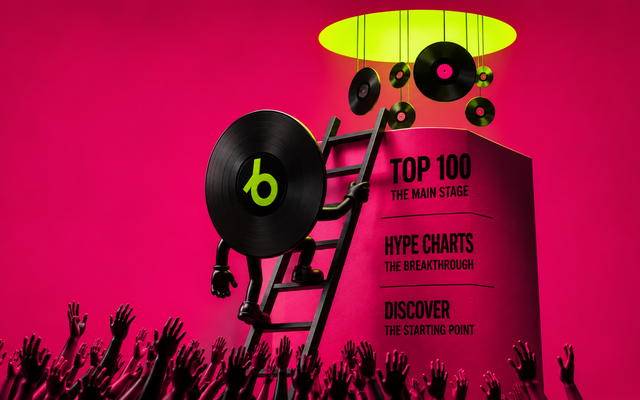
Beatport's internal chart and recommendation mechanics are not publicly disclosed in enough detail for anyone outside the company to promise a ranking formula. Treat purchases, genre relevance, DJ support, label credibility, and release timing as signals you can influence, not as a guaranteed equation. Anyone claiming exact private ranking triggers is guessing.
The platform has also expanded into areas around dance music events, which matters because Beatport is tied to DJ culture rather than passive background listening alone dance event ticketing. For an independent artist, that changes the promotion angle: target DJs, radio hosts, curators, and small communities that buy tracks for use, not casual listeners who only stream once.
How to promote your Beatport release
Promotion should start before the store page appears. Send private streaming links to DJs 10-21 days early, prepare short clips for social platforms, collect quotes from any early supporters, and make sure your artist profile elsewhere points toward the release week. Once the Beatport page is live, update every post with the correct purchase link.
Do not blast the same message to every DJ. A techno resident, a melodic house YouTube curator, and a radio host need different context. Send the genre, BPM, short description, clean download or private preview, release date, label name, and one sentence explaining why the track fits their sets.
For artists who need a third-party campaign view, services such as Promo Sound Group can sit beside direct DJ outreach, content scheduling, and release-page monitoring. The useful role is coordination: checking timing, keeping attention on the right store link, and avoiding scattered promotion that sends listeners everywhere except the Beatport page.
Watch the first 72 hours, but do not panic after the first morning. Check whether the link works, the page displays correctly, social posts point to the right version, and any DJ support can be documented. If a correction is needed, send the distributor a precise request with identifiers instead of a vague complaint.
Common questions
Can you upload music directly to Beatport?
No, most independent artists cannot upload directly to Beatport as if it were a basic self-serve social platform. You usually need a distributor, label service, or approved label delivery route that sends your release into Beatport's system.
Do you need a label to get on Beatport?
You do not need to sign with an outside label, but you may need a label name or imprint inside your distributor account. Many independent artists use their own imprint if the delivery partner supports it.
Which distributors deliver music to Beatport?
Use a distributor or label service that explicitly lists Beatport in its store network. Because delivery access and plan rules change, confirm the Beatport option inside the account before setting a release date.
How long should you plan before release day?
A 3-4 week runway is sensible for a first Beatport release. It gives time for distributor review, metadata fixes, profile checks, DJ outreach, and content scheduling.
Can the platform guarantee chart placement?
No legitimate campaign can guarantee a Beatport chart position because the platform does not publish a full ranking formula. Focus on clean delivery, targeted DJ interest, genre accuracy, and real buyer intent.
Before you spend money on promotion, make one pass through the unglamorous checks: rights, distributor access, metadata, profile matching, release timing, and the live purchase link. Fix those first, then build attention around a page that is ready to convert a curious DJ into a buyer.

 Ninja Digger
 Fanatikovel