Escrito por

A vague promo bundle can waste a release before listeners even find it.
A music promotion package combines several promotional actions into one campaign built around a song, album, video, artist profile, or multi-platform release. PromoSoundGroup builds music promotion packages that can combine streaming, video, social, playlist, blog, radio, chart and artist-profile activity depending on the release goal, so the bundle is defined by what each channel is asked to do rather than by a generic visibility promise.
Need blog write-ups and radio plays for one release? Our Music PR package covers both for a single release.
What Is a Music Promotion Package?
A music promotion package is a bundle of promotional activities organized around one release goal, platform priority, or artist-development purpose. A usable package states the promoted asset, the included channels, the delivery scope and the reporting method. It becomes a real problem when the bundle lists broad exposure terms without saying where the campaign runs, what is being promoted, or how results are measured.
For a beginner musician, a promo pack for musicians may focus on one single and one main listening destination. For a mid-level artist, a musician promo package may connect streaming, video, social content, and editorial coverage so different discovery points support the same campaign. The package is not the strategy by itself; it is the operational container for specific promotional work.
Definition block
Music promotion packages are structured bundles of promotional actions built around one song, album, video, artist profile, or growth objective, with each channel assigned a specific role in the campaign.
Where Music Promotion Packages Usually Appear
Music promo packages usually appear before a release date, during a launch week, after a track underperforms, or when an artist wants steadier profile growth. The context changes how the package should be read: pre-release work needs preparation and positioning, while post-release work often focuses on extending attention after the first audience reaction.
Independent artists often compare promotion packages for musicians when they have limited time, no in-house marketer, and several platforms to manage. Streaming stays central to discovery, but each platform rewards a different action, so a package that treats Spotify, YouTube and TikTok as one channel will report one number and explain nothing.
What Can Be Included in a Music Promotion Package?
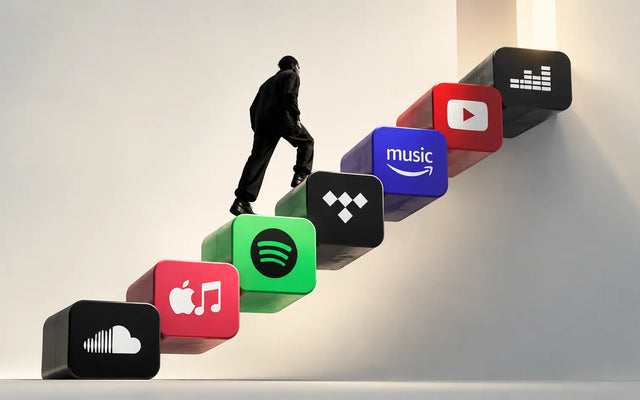
A package can include streaming, video, social, playlist, blog, radio, chart, and artist-profile activity. The useful question is not how many items are listed, but whether each item supports the same release objective.
| Package component | Typical role |
|---|---|
| Streaming promotion | Support listening and artist-profile activity on streaming platforms |
| YouTube / video promotion | Support official videos, visualizers, live videos, Shorts, or teasers |
| Social promotion | Support Reels, TikTok videos, posts, profiles, or audience engagement |
| Playlist promotion | Introduce a release through relevant playlist exposure or pitching |
| Blog / PR promotion | Add editorial context, reviews, interviews, or release coverage |
| Radio promotion | Support selected online or FM airplay campaigns |
| Chart promotion | Support eligible genre or release campaigns on selected music platforms |
Two components deserve a closer look before you pay for them. Playlist promotion means one of two different things: pitching to curators, where placement is never guaranteed and the deliverable is the pitch, or placement on playlists the provider already controls, where the deliverable is the slot but the audience may be generic — ask which one you are buying. Radio and chart components carry eligibility rules that sit outside the provider: stations have format and language requirements, and chart campaigns depend on the store or platform recognising the release type, the genre and the release window, so a package cannot promise a position it does not control.
Streaming activity usually supports plays, saves, followers, or profile visits, depending on the platform and campaign setup. Video activity is useful when the asset has a strong visual hook, a performance angle, or short clips that can feed social discovery. Blog and PR activity works best when the release has a story, collaboration, scene connection, or news value that an editor can explain.
Main Types of Music Promotion Packages
The main package types differ by campaign center: one platform, several channels, one track, a larger project, a video asset, or an artist profile. Choosing the wrong type usually creates mismatched metrics, such as buying video visibility when the real goal is streaming retention.
| Package type | Built around | Typical use |
|---|---|---|
| Single-platform package | One platform | Artists with one priority channel |
| Multi-platform package | Several connected channels | A release that needs multiple discovery points |
| Single / song package | One track | New single, remix, collaboration, catalogue push |
| Album / EP package | Several tracks | Project launch and lead-track support |
| Music video package | Video plus supporting channels | Official video, visualizer, live session, DJ set |
| Artist package | Artist profile across channels | Longer-term profile and audience development |
Song promotion packages should keep the campaign centered on one track and one main listener action. Album promotion packages need a broader structure because one project may include lead tracks, visual content, social clips, interviews, and staggered audience touchpoints. Music artist promotion packages are different again because the promoted object is the profile, not only the current release.
Single-Platform vs. Multi-Platform Promotion Packages
A single-platform package uses one channel, one primary metric, and more focused delivery, while a multi-platform package connects several channels around one release or artist goal. Neither model is automatically better; the right choice depends on whether the campaign needs depth on one platform or coordinated discovery across several places.
- Use a single-platform package when one profile is clearly the priority, such as a streaming artist page, official video, or social account.
- Use a single-platform package when you need clean measurement, because one primary metric is easier to interpret.
- Use multi-platform music promotion packages when a release has audio, video, social clips, and editorial angles that can support each other.
- Use a multi-platform structure when the audience may discover the artist through different formats before choosing where to listen.
Audience building usually depends on repeated touchpoints across formats rather than one isolated platform action: a listener who sees a clip, hears the track and then finds the profile converts more often than one who only meets the release once. That does not mean every artist needs every channel; it means the selected channels should match how the release can realistically be discovered.
How Music Promotion Packages Change by Release Type
Packages change because a single, album, video, and artist-growth campaign each have different promoted assets and measurement needs. A new track needs concentrated attention, while a profile campaign needs consistency over time.
| Release | Package emphasis |
|---|---|
| New single | Main streaming platform plus one or two supporting channels |
| EP / album | Lead tracks plus streaming, video or social, and editorial support where relevant |
| Music video | YouTube or video visibility plus short-form social and listening destination |
| Artist development | Profiles, followers, catalogue discovery, and social or streaming support over time |
A music promotion package for independent artists should also match the artist’s current audience stage. A first-release campaign usually needs basic visibility and profile setup, while a catalogue push can focus on resurfacing older material to listeners who already respond to the genre. Release planning comes before promotion: assets, timing and platform focus have to exist before a package can do anything with them.
Causes of Poor Package Fit
A promotion package fails when the campaign structure does not match the release goal, available assets, audience stage, or reporting expectation. Grouping the causes makes the problem easier to diagnose before money or time is committed.
Release-related causes
- The package promotes an album like a single, so only one track receives attention while the project context is ignored.
- The package promotes a video without sending viewers to a listening destination or artist profile.
- The package starts too late for editorial, playlist, or pre-release activity that needs preparation time.
Channel-related causes
- The primary platform is unclear, so the campaign cannot prioritize one main action.
- The supporting channels do not connect to the release asset, such as using blog activity for a track with no story angle.
- The package mixes too many platforms without defining the role of each one.
Audience-related causes
- The genre or market fit is too broad, which weakens relevance across playlists, social content, or media outreach.
- The artist profile has no recent content, so new attention reaches an incomplete destination.
- The package targets growth before the artist has enough public material to hold interest.
Reporting-related causes
- The deliverables are described as exposure without platform names, campaign length, or activity type.
- The package lists metrics but does not explain which metric belongs to which channel.
- The campaign scope is unclear, so the artist cannot compare expected work with actual delivery.
How to Read What a Promotion Package Includes
Read a package by separating the promoted asset, included platforms, deliverables, targeting, timeline, and reporting. If those fields are not visible, the package is difficult to evaluate.
- Platforms included.
- Content or profile being promoted.
- Metrics or deliverables included.
- Campaign scope and duration.
- Geographic or genre targeting where available.
- Reporting or support included.
- Any eligibility or content requirements.
This reading method applies to professional music promotion packages and smaller musician promo pack options. A compact bundle can still be useful if the campaign goal is narrow and the reporting is specific.
Two-Minute Decision Tree
Use this diagnostic path when several packages look similar. The goal is to identify the package structure that matches the release, not to rank providers.
- If one platform matters more than everything else, choose a single-platform package with one primary metric.
- If the release has audio, video, and social assets, choose a multi-platform package with defined channel roles.
- If the campaign is for one track, choose a song promotion package centered on the main listening action.
- If the campaign is for several tracks, choose an album or EP package with lead-track support and project context.
- If the main asset is an official video, choose a music video promotion package with short-form support and a listening destination.
- If the goal is long-term visibility, choose an artist package that supports profile activity and catalogue discovery.
- If the package cannot state what is promoted, where it runs, and how it reports, treat it as a poor-fit option.
Fix Checklist Before Choosing a Package
The best fix is to define the campaign before selecting the bundle. A clear brief prevents mismatched platforms, weak deliverables, and unreadable results.
- Name the release type: single, EP, album, video, catalogue push, or artist-growth campaign.
- Set one main goal, such as streams, video views, profile visits, social engagement, press context, or audience development.
- Choose the primary platform before adding supporting channels.
- List available assets, including audio links, video links, vertical clips, cover art, press photos, biography, and release notes.
- Match channels to assets instead of adding platforms only because they are available.
- Check whether genre, geography, or audience targeting is available where it matters.
- Confirm campaign duration and start date, especially for release-week or pre-release work.
- Ask what reporting shows by platform, not only as a combined campaign total.
- Remove any component that does not support the main goal.
What Information Is Needed Before Choosing a Package?
You need enough release and audience information to match the package to a real campaign. Missing details usually lead to generic activity rather than useful promotion.
- Release type.
- Release date or campaign period.
- Primary platform.
- Target audience or market.
- Main campaign goal.
- Available content assets.
- Current artist profile and audience stage.
Music Promotion Package Checklist
A useful package should pass this checklist before an artist treats it as a serious option. Each item connects the bundle to a measurable campaign decision.
- One clear release goal.
- One primary platform or channel role.
- Defined supporting channels.
- Clear deliverables.
- Relevant audience fit.
- A way to measure campaign results.
What Not to Do
Do not choose a package only because it contains the longest list of platforms. More channels can dilute a campaign when the release has no asset or audience reason for each one.
- Do not buy a bundle that hides platform names, campaign scope, or reporting format.
- Do not use fake engagement tactics that can damage platform trust signals or audience quality.
- Do not force playlist, radio, or chart activity if the release is not eligible or genre-relevant.
- Do not treat a short campaign as a substitute for complete profiles, working links, and usable content assets.
- Do not compare packages only by price, because unclear delivery is expensive even when the upfront cost looks low.
FAQ
What is a music promotion package?
It is a structured bundle of promotional actions built around one release, platform goal, or artist-development objective.
What is included in music promotion packages?
They may include streaming, video, social, playlist, blog or PR, radio, chart, and artist-profile activity.
How do music promotion packages work?
They group selected channels into one campaign, assign each channel a role, run activity for a defined period, and report results by deliverable or platform.
What is the difference between a single-platform and multi-platform package?
A single-platform package focuses on one channel and one main metric, while a multi-platform package connects several channels around the same release or artist goal.
What should a song promotion package include?
It should include one promoted track, one primary listening destination, supporting channels if relevant, clear deliverables, and reporting tied to the song.
What should an album promotion package include?
It should support lead tracks, project context, streaming destinations, visual or social assets, and editorial activity where the album has a clear story.
What is included in a music video promotion package?
It usually includes video visibility, short-form social support, and a listening destination so viewers can move from watching to following or streaming.
Can independent artists use multi-platform promotion packages?
Yes, independent artists can use them when the release has enough assets and a clear reason for each selected channel.
What information do you need before choosing a music promotion package?
You need the release type, date, main goal, primary platform, audience target, available assets, and current artist profile stage.
Summary
Music promotion packages work when the bundle is tied to a specific release goal, a primary platform, defined supporting channels and deliverables you can measure. PromoSoundGroup organises its packages around exactly those roles — streaming, video, social, playlist, blog, radio, chart and artist-profile activity — so a campaign is assembled from the channels a release actually needs. The safest choice is still the package you can explain in one sentence before it starts.

 Ninja Digger

 Fanatikovel